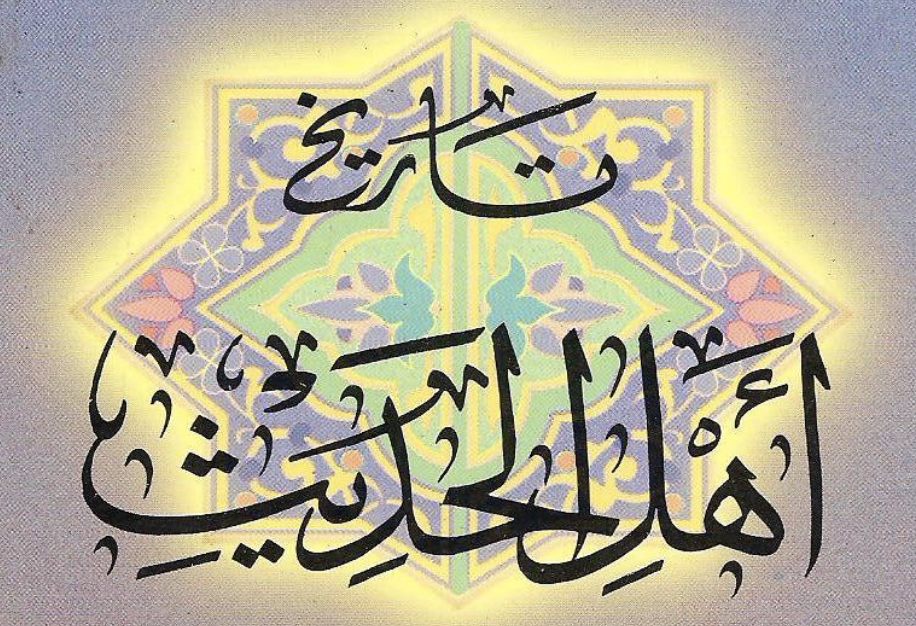
تاريخ أهل الحديث
فضيلة الشيخ بدي الدين شاه السندي رحمه الله
The History Of The Ahlul Hadeeth
By the Lion of Sindh:
al-Shaykh Badee ud-Deen Shāh Rāshidī as-Sindhī (D. 1416 AH)
Translated & compiled by:
Abū Sakeenah al Atharī
The Jama’ah of the Ahlul Hadeeth is an ancient one whose Imām, guide, and leader is none other than the Messenger of Allāh صلى الله عليه وسلم. This Jama’ah has been in existence ever since the time of the Sahabah. The Deobandi Muhammad Idrīs Khandalwī stated in his work ‘Ijtihād & Taqleed’ that, “All of the Sahabah were Ahlul Hadeeth.” Imām Amir Ibn Sharjīl [D.110 AH] who was one of the seniors amongst the Tāb’ieen met 500 of the Sahaba, and studied and learnt Hadeeth from 48 of them. He was a personality from the 1st century of Islām, and at the start of the 2nd century. He states: “Whatever (knowledge) I have acquired and have understood, if it had come to mind, I would only teach those Hadeeth upon which the Ahlul Hadeeth had agreement and consensus upon.” [Tadhkhiratul-Huffādh]
This is clear proof for the fact that the Jama’ah of the Ahlul Hadeeth was existent during the time of the Sahabah and Tābi’een. Imām Muslim Ibn Shihāb Az-Zuhrī [D. 124 AH] once went outdoors and proclaimed, “Oh Ahlul Hadeeth where are you?” Then he would go on to teach them 400 hundred Hadeeth. [Tadhkhiratul-Huffādh]
The significant scholar of the Hanafī Madhab, Imām Muhammad Ibn Hassan as-Shaybani states in his famous book Al Muwatta under the chapter of Yameen M’aa Ashaad, “Imām Ibn Shihāb was the greatest scholar in the eyes of the Ahlul Hadeeth in Madinah.” This shows that in the 2nd century of Islām, the pure city of Madīnah was the headquarters of the Jama’ah of the Ahlul Hadeeth. And why would it not be? As this is where the prophet Muhammad صلى الله عليه وسلم spent the last 10 years of his prophethood, and where the Islamic state was established. Another significant scholar of the Hanafī Madhab Qādhī Abū Yusuf [D.182 AH] once went outdoors, and looking at the Ahlul Hadeeth he said, “There is no one better than you on this earth as you only teach and learn the narrations of the Messenger of Allāh صلى الله عليه وسلم.”
Imām Hafs bin Ghayath [D. 194 AH] said about the Ahlul Hadeeth: خير أهل الدنيا, meaning that the best of the inhabitants of earth are the Ahlul Hadeeth. The Imām of the Arabic language Khalil Ibn Ahmad al-Farahidi [D. 164 AH] stated: The Ahlul Hadeeth are the Awliyāh (friends) of Allāh. If they are not the Awliyāh (friends) of Allāh, then there are no Awliyāh (friends) of Allāh.The Faqīh of the era Imām Sufyān Ath-Thawree [D. 162 AH] said, “The angels are the guardians of the heavens and the Ahlul Hadeeth are the guardians of the earth.” Meaning that they are the ones who call to the religion and preserve it by their efforts. Imām Sufyān At-Thawree also said, “If there was no benefit to a person of Hadeeth except sending salutations upon the Messenger of Allaah صلى الله عليه وسلم then indeed sufficient will be sending salutations upon him, so long as he is engrossed in his seeking of knowledge.” The famous ascetic, Imām Fudhayl Ibn Ayādh [D.187 AH] wrote, upon looking at the Ahlul Hadeeth “Oh inheritors of the Prophets (knowledge)!” Khalīfah Hāroon al-Rashīd [D. 193 AH] said, “I found 4 traits in 4 different groups, Kufr (disbelief) with the Jahmīyah, argumentation and fighting amongst the Mu’tazilah, lies with the Rawāfidh, and the Haqq (truth) with the Ahlul Hadeeth.” Imām al-Muhaddith Abd-Allāh Ibn al-Mubarak [D. 180 AH] stated, “On the day of judgment the most firmest of footsteps will be that of the people of Hadeeth.” When he (Abd-Allāh Ibn al-Mubarak) would see that his little children had the ability to write Hadeeth, he would say about them, they’re the leaves growing from the tree of the religion. If they’re small today, then they will be of great stature in the future.
Imām Hammād Ibn Zayd [D. 179 AH] said, that the Ahlul Hadeeth are mentioned in the Qur’ān in the following Āyah:
وَمَا كَانَ الْمُؤْمِنُونَ لِيَنْفِرُوا كَافَّةً ۚ فَلَوْلَا نَفَرَ مِنْ كُلِّ فِرْقَةٍ مِنْهُمْ طَائِفَةٌ لِيَتَفَقَّهُوا فِي الدِّينِ وَلِيُنْذِرُوا قَوْمَهُمْ إِذَا رَجَعُوا إِلَيْهِمْ لَعَلَّهُمْ يَحْذَرُونَ
And it is not (proper) for the believers to go out to fight (Jihād) all together. Of every troop of them, a party only should go forth, that they (who are left behind) may get instructions in (Islāmic) religion, and that they may warn their people when they return to them, so that they may beware (of evil). [Sūrah At-Tawbah, 9:122]
The famous ascetic Ibrāheem Ibn Adham [D. 168 AH] said, “Verily Allāh The Most High repels calamities from this Ummah on account of the journeying of the Ahlul Hadeeth.” The Imām of Jarh Wa Ta’deel Yahya Bin Saeed Al Qattan [D. 198 AH] said, he was always made happy and cheerful by the companionship of the people of Hadeeth. All of these narrations have been recorded in Sharf Ashāb Al Hadeeth of Khateeb al Baghdādī. All of these Muhadditheen were from the 1st and 2nd centuries of Islām, and amongst them are Companions, Tābi’een, and Atbā Tābi’een. This shows that in the first 2 centuries of Islām, the era of the best generations, the jama’ah of the Ahlul Hadeeth was large and well known. This Jama’ah was also large in the 3rd century, Imām as-Shafi’i [D. 204 AH] said that, “Whenever I see a person of Hadeeth, I think that I am seeing the Messenger صلى الله عليه وسلم alive.” Imām Abdur-Razzaq (D. 213 AH), Imām Abū Dawūd , [D. 204 AH], and Imām Ahmad Ibn Hanbal [D. 241 AH] said about the Hadeeth relating to the Ummah dividing into 73 sects, that the 1 sect that will be granted salvation will be the Ahlul Hadeeth. In their eyes there is no nation better than that of the people of Hadeeth and not any other people, because they do not know any thing apart from Hadeeth. When it was said to them ‘faulan’ said that the people of Hadeeth were an evil nation, they said that the person saying this is a Zindeeq (Heretic) and a Mulhid (Kāfir; disbeliever).
Ishāq Ibn Musā Al Khatmī [D. 224 AH] says commenting about the Āyah:
وَعَدَ اللَّهُ الَّذِينَ آمَنُوا مِنْكُمْ وَعَمِلُوا الصَّالِحَاتِ لَيَسْتَخْلِفَنَّهُمْ فِي الْأَرْضِ كَمَا اسْتَخْلَفَ الَّذِينَ مِنْ قَبْلِهِمْ وَلَيُمَكِّنَنَّ لَهُمْ دِينَهُمُ الَّذِي ارْتَضَىٰ لَهُمْ وَلَيُبَدِّلَنَّهُمْ مِنْ بَعْدِ خَوْفِهِمْ أَمْنًا ۚ يَعْبُدُونَنِي لَا يُشْرِكُونَ بِي شَيْئًا ۚ وَمَنْ كَفَرَ بَعْدَ ذَٰلِكَ فَأُولَٰئِكَ هُمُ الْفَاسِقُونَ
Allāh has promised those among you who believe, and do righteous good deeds, that He will certainly grant them succession to (the present rulers) in the earth, as He granted it to those before them, and that He will grant them the authority to practise their religion, that which He has chosen for them (i.e. Islam). And He will surely give them in exchange a safe security after their fear (provided) they (believers) worship Me and do not associate anything (in worship) with Me. But whoever disbelieved after this, they are the Fasiqun (rebellious, disobedient to Allāh). [Sūrah an-Nūr 24:55] Allāh will give strength to the religion he has chosen. This relates to the people of
Hadeeth as the people accept each and every single Hadeeth through them, but nobody accepts the narrations of Ahlul Ra’ī (people of opinions).”
Abdullah Ibn Dawūd [D. 213 AH] narrated that he heard from his teachers that Allāh has made the people of Hadeeth the trustees of the religion, meaning that they are the ones who preserve the religion the Messenger صلى الله عليه وسلم of Allāh came with, in terms of their knowledge and actions. Walīd Al Kuarabasi [D. 214 AH] said when he was dying to his children: “Do you consider me as an honest person?” They replied, “Yes” and in return he responded, “Stay close to the people of Hadeeth, as I have seen the truth with them.” Imām Abū Ja’far Qutaiba Ibn Sa’eed [D. 240 AH] said, “If a person loves the people of Hadeeth such as Yayha bin Sa’eed Al Qattan, Ahmad Ibn Hanbal, Abdur Rahman Ibn Mahdī, Ishāq bin Rahawaih then he is a person of the Sunnah, and if he does not, then he is a person of Bidah.”Imām Yazīd Ibn Haroon [D. 206 AH] commented regarding the Hadeeth relating to the group always being upon the straight path that, “They are the Ahlul Hadeeth.” Those amongst the Ahlul Hadeeth previously were, Imām Abu Abudullah Humaydī [D. 213 AH], Imām Abu Ubaid Qāsim Ibn Salām Baghdadi [D. 224 AH], the Imām of Jarh Wa Ta’deel Yahyā Ibn Ma’een [D. 233 AH], Imām Muhammad Ibn Sa’eed Wāqidi [D. 230 AH], Imām Abu Bakr Ibn Abi Shaybā [D. 235 AH]. Imām Muslims says in the introductory chapter of his Sahīh, here I will explain the Madhab of the Ahlul Hadeeth, Imām an-Nasā’ī [D. 230 AH] [4], Imām Abū Dawūd [D. 275 AH], Imām Nāssir Bin Marozi [D. 294 AH]. Imām Ishāq bin Ibrāheem al-Harbī [D. 280 AH] Imām Abdullah Ibn Ahmad Ibn Hanbal [D. 290 AH]. Imam al Qurtubī al Andalusī [D. 276 AH] when he was spreading the Madhab of the people of Hadeeth in Andalusia, the people of innovation started to show their disapproval, but the ruler of Andalaus Abdur Rahman took his side and told him to spread the knowledge of Hadeeth. He said that the Madhab of the people of Hadeeth was planted in such a way that no one could remove it apart from the Dajjāl. [Tadhkira]
All praise is due to Allāh, for the people of Hadeeth are still present even in the lands of the Christians.
Imām Ibn Qutaibah [D. 276 AH] was the author the famous book Taweel Mukhtalif Ahlul Hadeeth Al Rad ‘Alā ‘Adā Ahlul Hadeeth. He spread the name of the people of Hadeeth with great zeal, and he also refuted Ahlul Ra’ī (the people of opinions) with equal enthusiasm. Imām Abā Bakr Ibn Abī ‘Āssim [D. 280 AH], Imām ‘Alee Ibn Madīnee [D. 234 AH], exclaimed regarding Hadeeth relating to the jama’ah that will be upon the truth, this jama’ah is the people of Hadeeth. Abdullah Ibn Uthmān [D. 222 AH] was called the Imam of Ahlul Hadeeth. [Tahzīb] He said about the Hadeeth طوبى لل غرباء that it refers to the People of Hadeeth in his view. Ahmad Ibn Sinan Al Qattan [D. 258 AH] said that the people of innovation hate the people of Hadeeth. Imam Uthmān Ibn Sa’eed ad-Dārimī [D. 280 AH] and others said that they were spread out in different areas and each of them speaking about their own respective areas said that the people of Hadeeth were in every area of the empire. This continued even in the 4th century of Islām. Imām Abu Ahmad Al Hakim [D. 278 AH], the author of the book Sh’ar Ashaabul Hadeeth, praised the people of Hadeeth in his book and explained their creed as well.Then came Imām Abu Qassim Al Tabarānī, Imām Ibn Hibbān, Imām Abul Hassan Daruqutni [D. 385 AH], who taught Imām Abul Hassan Al Asharī [D. 320 AH] about the Madhab of the people of Hadeeth. The latter wrote the famous Al Ibānah. He also wrote Maqalāt Islamī’een which contains an introduction to the people of Hadeeth, as well as their creed and rulings, all of which are proven by evidences. Imām Abul Walid Bin Muhammad [D. 340 AH] was thought as the Imām of the people of the Hadeeth in all of Khurasān. Imām Hafidh Ibn Abee Jarjani [D. 375 AH] Imām Abu Bakr Isma’īlĪ who used to explain the Aqaaid of the people of Hadeeth [Tadhkira]. Imām Abu Jafar Uqalai [D.332 AH], Imam Ibn Mandah [D. 301 AH], Imām Abu Mazahun Al Khaqani [D. 325 AH], wrote a couplet praising the people of Hadeeth: “Ahlul Hadeeth Hum An Anajan In ‘Amilu Bihi Idha Ma Ata ‘An Kul Munutumin” Meaning that Ahlul Hadeeth are the saved or victorious group, if they stay upon the narrations! Because it is only due to them that the narrations have reached us. And there were many others apart from him. It is apparent that during this century the glory and the call of this jama’ah was still alive. Many people of Hadeeth passed during the 5th century. Imām Abu Uthman Saboonee [D. 449 AH] wrote Aqeedah Salaf Ashāb Al Hadeeth. In this book he has a famous poem regarding the people of Hadeeth. Imām Hafidh Abu Na’eem Asfahani [D. 430 AH], Imām Abul Qassim Lalikaee wrote the book ‘Kitab As Sunnah’ which is a famous book on the Aqeedah of the Ahlul Hadeeth. Imām Al Haramayn Al Juwaynī [D. 486 AH] who wrote Al Intidharla Ahlul Hadeeth, refutes the doubts of people of opinions and their accusations upon Ahlul Hadeeth. He says Ahlul Hadeeth have been passing down knowledge to each other, and this extends back to the Messenger صلى الله عليه وسلم. During the 6th century there was evidence of the Jama’ah of Ahlul Hadeeth being in existence. Imām Amir Bin Makula [D. 516 AH], Qādhī Abu Bakr Al Izz [D. 453 AH], Imām Hāfidh Abū Tāhir Salafī [D. 576 AH], Imām Muhaddith Qādhī Iyādh Al Haythamī [D. 544 AH], Imām Hāfidh Ibn Asākir ad Dimishqī [D. 571 AH], Sayyid Shaykh Abdul Qādir Jeelanī [D. 576 AH], who writes in his book Ghunya At Tālibeen, that the only saved sect is Ahlul Hadeeth. And this went on during the 7th century, for example Majd ud Deen Ibn Taymīyyah [D. 622 AH], the grandfather of Shaykh ul Islām. Hāfidh Abdul Adhim Mundhiri [D. 656 AH], Shaikh Jamal Adin Ibn as-Sābonee [D. 661 AH], Hāfidh Abū Bakr Nuqta [D. 629 AH], Hāfidh Abdullah Bin Adapshi [D. 639 AH], Murkh Shahab Adin Yaqut Ar Romee [D.662 AH], Imām Abu As’adaat Mubarak Ibn Athir Ad Din Al Jazri [D. 606 AH], and others. During the 8th century, Shaykh ul Islām Ibn Taymīyyah [D. 728 AH], Hāfidh Abul Hajjaj Dari [D. 742 AH], Hāfidh Ibn Daqīq Al Eīd [D. 702 AH], Hāfidh Salah Ad Din Sa’di [D. 764 AH].
فَاسْأَلُوا أَهْلَ الذِّكْرِ إِنْ كُنْتُمْ لَا تَعْلَمُونَ
So ask of those who know the Scripture [learned men of the Taurat (Torah) and the Injeel (Gospel)], if you know not. [Sūrah An-Nahl 16:43]
When asked about this Āyah, Fakhr ad-Deen ar-Rāzi said it is Bida’h (religious innovation) to invent and follow the Madhab of any particular person, meaning that Ahl Ad Dhikr in the Āyah, concerning asking the people of knowledge is plural and not just 1 person), and it is through this Madhabism that people make Taqleed (blind following) and reject Hadeeth. [Nazhat Al Khuwatir] In the 9th century came, Imām Al Alfadal ‘Adamti , Hafidh Nur Ad Dīn Haythamī [D. 807 AH], Allamah Majd Ud Deen Al Ferozabādī [D. 827 AH], Hāfidh Ibn Hajar al Asqalānī [D. AH], Hāfidh Taqī Ud Deen Anafasi, Hāfidh Badr Ad Deen Ayni [D. 855 AH], and others. In the 10th century, Sultan Mahmood Bin Muhammad Al Gujrātī [D. 945 AH], who had the Ulemā of Ahlul Hadeeth visiting him often. In the 11th century Bakhm Ad Din Gazi [D. 1061 AH], Taj Ad Deen Ibn Ismai’l Al Gujrātī [D. 1007 AH], who memorised the 6 books of Hadeeth. [Nazhat Al Khuwatir] Qādhi Nāsir Ad Deen Albarhonee [D. 1031 AH], who expressed the superiority of Hadeeth over Qiyās and opinion. [Nazhat Al Khuwatir]. Dum Muhammad Nahtuwee [D. 1174 AH], Muhaddith Amīr as Sana’ānī [D. 1182 AH], Imam Al Hind Shah Waliullāh Muhaddith Delhwī [D. 1176 AH], Allamah Abul Hassan Sindhī [D. 1136 AH], and his works on the 6 books and the Musnad of Imam Ahmad are known. Allamah Muhammad Hayāt as Sindhī [D. 1136 AH], who wrote the paper Tufa Al Anam fi ‘Amal Anabī صلى الله عليه وسلم, in which taqleed is refuted and the methodology of the Ahlul Hadeeth is explained. In the 13th century, Imām Muhaddith Muhammad bin Ali Shawkanī [D. 1246 AH], Shah Abdul Aziz Muhaddith Dhelwī, Imām al Mujāhid Shah Ismaīl Shaheed [10], Allamah Khuram Alio Balhori [D. 1271 AH], Allamah Muhammad Hamid Sindhī [D. 1257 AH], Imām ad-Dawah Muhammad Ibn Abdul Wahāb an Najdī [D. 1206 AH], of whom the English are the still afraid of until this day. His grandson Allamah Abdur Rahmān Bin Hassan [D. 1285 AH], Allamah Tahtawi Hanafī [D. 1231 AH], Qādhī Thanāullāh Panīpatī [D. 1225 AH], Allamah Haider Ali Toki [D. 1273 AH], who wrote a paper on the topic of Raf’ ul Yadain [Nazhat Al Khuwatir]. Allamah Abdul Azīz Parhyawī Multānī who’s book Kawthar An-Nabī صلى الله عليه وسلم is famous. He mentions which scholars are the inheritors of the Prophets, and he only mentions the people of Hadeeth. And it is confirmed from Imam Ahmad that the group that will always be upon the truth is the jama’ah of the Ahlul Hadeeth. And there have been countless people of Hadeeth who have passed during the 14th century. Shaykh Al Kul Mian Sayyid Nadheer Hussain ad Delwhī [D. 1320 AH], who had taught Hadeeth for a period of 50 years. Most of the scholars of Hadeeth are the students of his students. His book M’iār Al Haqq is sufficient to teach people the way of Ahlul Hadeeth. Nawāb Siddīq Hassan Khan al Bhopālī [D. 1307 AH], Majd Abu Turāb Rashid Allah Shah Rashidi [D. 1340 AH], who’s writings on the Madhab of Ahlul Hadeeth are famous. Imām Abul Wafā Thanāullāh Amritisarī [D. 1377 AH], whom the people of Hadeeth will always remember. His great newspaper ‘Ahlul Hadeeeth’ was running for a long time. Nawāb Waheed Az Zamān [D. 1328 AH], The Muhaddith of his time, Hāfidh Abdullah Rauporī [D. 1384 AH], who’s newspaper Tanzeem Ahlul Hadeeth had spread Dawah to the people. Allamah Said Al Qati’ Jonagarī [D. 1360 AH], who is famous for his newspaper Muhammadī and this went on for quite some time. Shaykh Al Mashaykh Muhammad Basheer Sehshwanī [D. 1306 AH]. The Allamah of his time Maulana Abdul Qassim Saif Banarasī [D. 1361 AH], Allamah Abdur Rehman al Mubarakpoorī [D. 1353 AH], The debater Shaykh Abdur Raheem Raheemabādī [D. 1320 AH], Allamah Siraaj Ad Din Madhupori [D. 1380 AH], Shaykh Allamah Khalīl Harrass, Munādhir Al Islām Ahmad Rashid Ghangarwi, Allamah Abu Mala Mahmood Shukri Aloosi, Allamah Abu Sa’eed Sharf Ud Deen Dhelwi [D. 1381 AH], Allamah Abdur Sattar Dhelwi [D. 1386 AH], Imam al Hind Abul Kalām Azād [D. 1377 AH], Allamah Badī Uz Zamān Lucknowī [D. 1304 AH], Maulana Noor Shah Kashmīrī [D. 1352 AH], Allamah Abdul Hayy bin Fakhrudeen and many others passed during this century. For example Allamah Abul Tawab Multānī, Allamah Abdul Haqq Bahawalpurī, Allamah Muhammad Ismaīl Salafī, Allamah Muhammad Dawūd Ghaznawī, Allamah Khān Mehdi Zamān, Muhadith Allamah Muhammad Hussain Batalwī, Qādhī Muhammad Sulaymān Mansoorī, Allamah Muhammad Ibraheem Mīr Sialkotī, and countless others. Likewise in the 15th century there are some that have passed away. For example, Allamah Fatah Muhammad Jhelumi Muhajir Makki, Hafidh Muhammad Muhaddith Ghondalwī, Moulana Muhammad Umar Diplai Sharah Mashkawa Sindhī, Shaykh Abdullah Ibn Humaid an-Najdī, Maulana Muhammad Sialkotī, Allamah Ehsān Elāhi Zaheer Shaheed, Maulana Abdul Khāliq Qudus Shaheed, Maulana Habīb Ur Rehmān Yazdānī Shaheed. And there are many others who are alive and still working in every country of the world. It is affirmed from the Messenger صلى الله عليه وسلم that there will always be a group upon the truth up until the day of judgment. And any opposition and enmity will not harm them. All praise is due to Allāh! This group still remains and will continue to live on by the will of Allāh.
[Source: Tāreekh Ahlul Hadeeth by Shaykh Badee ud-Deen as-Sindhī]

 AhlulHadeethPublications.Com
Leave a comment