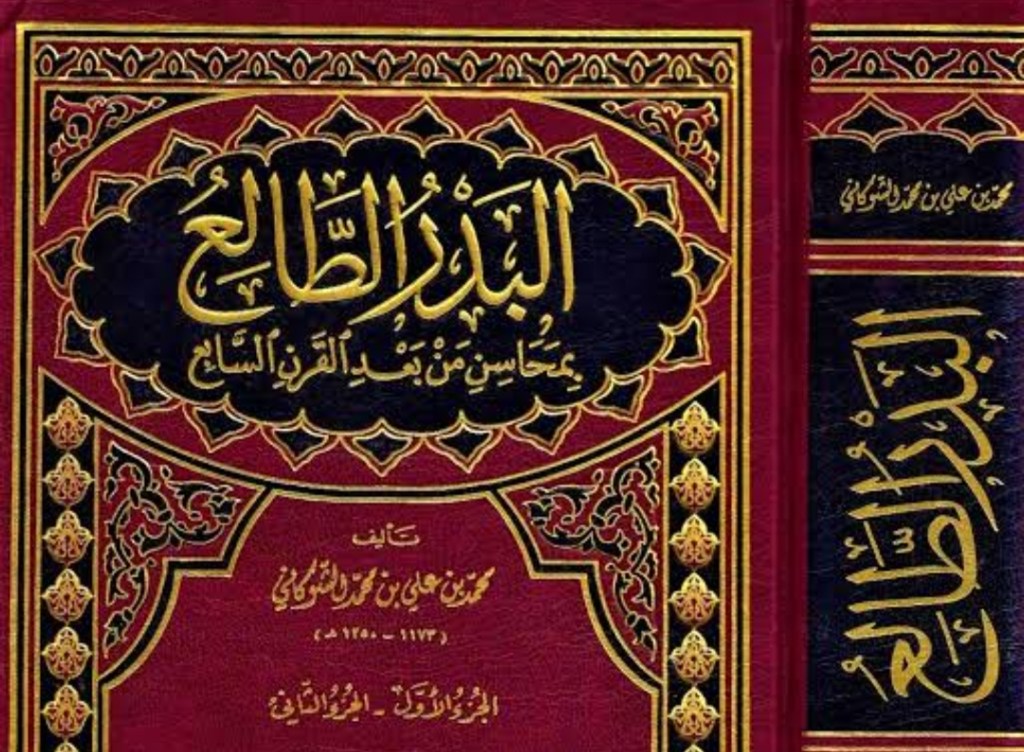
📚 Source: al-Badr al-Ṭāliʿ, 2/343–347:
Some people who were inwardly Rāfiḍī seated Yaḥyā al-Ḥoūthī on the chair to teach at the Grand Masjid of Ṣanʿāʾ and Yaḥyā al-Ḥoūthī went on to abuse some of the early Salaf. Yaḥyā al-Ḥoūthī would shout curses from the chair, and his followers present would shout along with him, a large crowd. Imām as-Shawkānī adds that Yaḥyā al-Ḥoūthī understood nothing of the actual book that he was teaching.
When news of this reached the ruler, he sent word that Yaḥyā al-Ḥoūthī should return to the Salāḥ al-Dīn Masjid and stop teaching at the Grand Masjid of Ṣanʿāʾ, Yaḥyā did not appear that night. The followers of al-Ḥoūthī rose up in the Masjid, raised their voices in cursing, and stopped the ʿIshāʾ Salah. Those who also concealed their Rafḍ joined them. They left shouting in the streets, “cursing the dead and the living,” in the thousands. They stoned the houses, breaking many windows. And tried to kill a government official.
They terrified women and children and violated sanctities. One house was stoned for its owner’s Umayyad lineage, another because its owner openly followed the Sunnah and disowned Rafḍ. One house was stoned for about 4 hours, almost to demolition. As-Shawkānī says the Fitnah was caused by staunch Rāfiḍah who cursed the Ṣaḥābah.
Imām as-Shawkānī advised the leader to jail the leading agitators first, then track down those who had stoned buildings. Those who did the stoning were laid down beneath the leaders window and beaten severely. Days later, groups of them were imprisoned in iron chains. Yaḥyā al-Ḥoūthī, alongside those like him “upon his path” were also imprisoned for this.


 AhlulHadeethPublications.Com
Leave a comment